Searching for Azul Shared Flights? What Was Found Instead
If you've landed on this page, chances are you've been typing "azul voos compartilhados" into your search bar, hoping to uncover details about shared flights offered by the popular Brazilian airline, Azul. It's a perfectly logical search query for anyone planning travel or looking to understand airline partnerships. However, the journey to find specific information about Azul's shared flights, or *voos compartilhados*, can sometimes lead down an unexpected path, as we discovered when reviewing available contexts. What became clear during our investigation is that while the term "Azul" strongly resonates with Azul Brazilian Airlines, it also refers to other entities, notably "Azul Vision," an ophthalmology practice. This initial confusion highlights a common challenge in online searches: disambiguating brand names. Our provided context, surprisingly, offered no direct insights into `azul voos compartilhados` from an airline perspective. Instead, it predominantly pointed towards eye care services or general Wikipedia metadata about the airline, lacking the specific details of its shared flight agreements. This article aims to bridge that gap. We’ll delve into what "shared flights" truly mean in the airline industry, explore why Azul Brazilian Airlines (the most likely subject of your search) would engage in such partnerships, and provide practical advice on how to find and understand these `voos compartilhados`, even when direct information might initially seem elusive.The Quest for `Azul Voos Compartilhados`: Unpacking the Initial Search
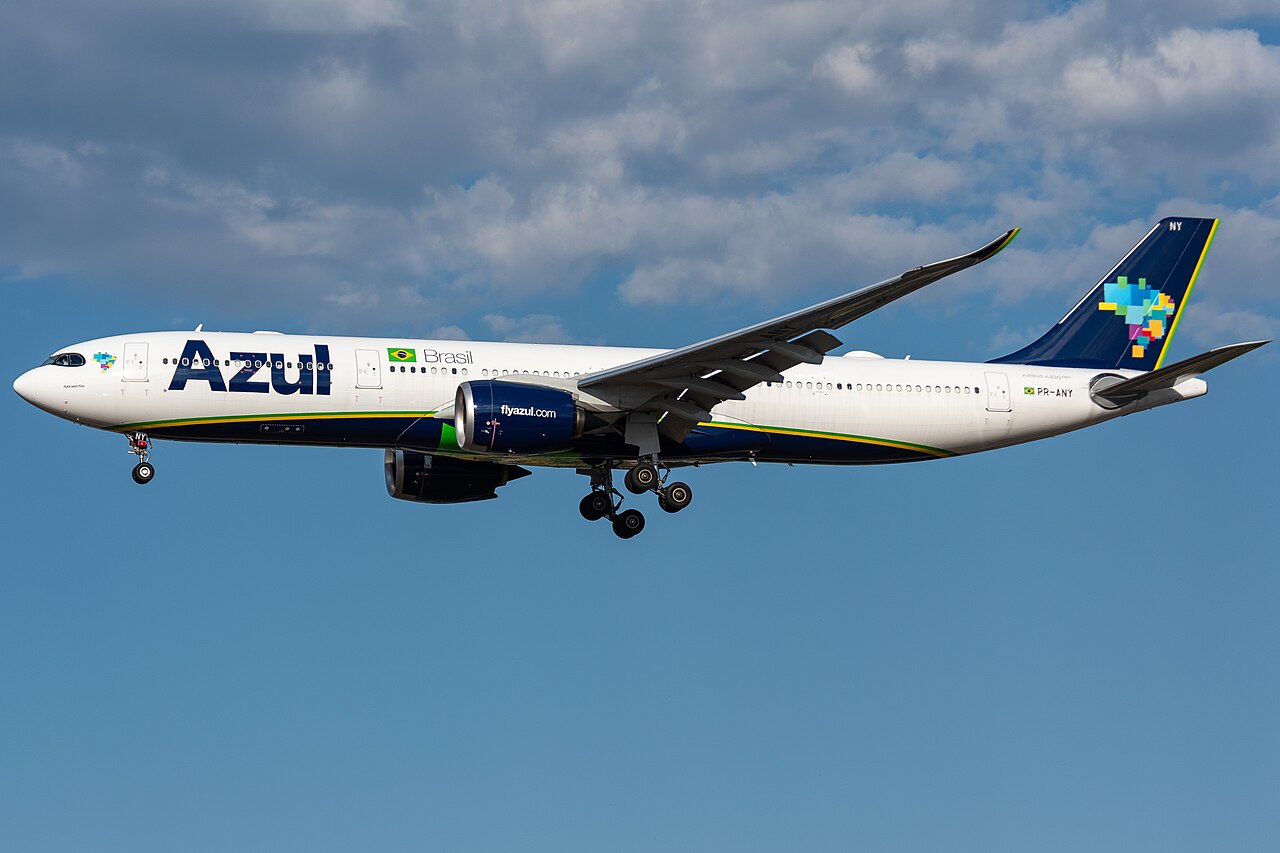
The phrase `azul voos compartilhados` literally translates to "Azul shared flights." For most internet users, this immediately brings to mind Azul Linhas Aéreas Brasileiras S.A., a major player in the South American aviation market. This airline, known for its extensive domestic network in Brazil and growing international routes, would naturally be a candidate for engaging in codeshare agreements with other carriers. Such agreements are commonplace and crucial for airlines to expand their reach without physically flying to every destination. However, the surprising reality from our initial research was the absence of detailed information regarding these specific flight partnerships within the provided contexts. Instead, references pointed to "Azul Vision" – a completely different business focused on comprehensive ophthalmology care, including services like LASIK. This unexpected detour emphasizes how a seemingly straightforward search term can lead to unrelated results if not carefully contextualized. While "Azul Vision" offers invaluable services in healthcare, it clearly has no bearing on airline travel or `voos compartilhados`. Therefore, for the remainder of this discussion, we will focus on what `azul voos compartilhados` *should* entail in the context of Azul Brazilian Airlines, assuming that is the true intent behind your search. Understanding the nature of shared flights is paramount to appreciating their value for both airlines and passengers.Decoding Shared Flights (Voos Compartilhados) in the Airline Industry
"Shared flights," or more formally "codeshare agreements," are a cornerstone of modern airline operations. They allow two or more airlines to publish and market the same flight under their own airline code and flight number. This means you could book a flight directly with Azul, and while your ticket shows an "AD" (Azul's IATA code) flight number, the actual aircraft and crew might belong to a different partner airline.Why do airlines engage in codeshare agreements?
- Expanded Network Reach: Codeshares enable airlines to offer routes to destinations they don't directly serve. For example, Azul might partner with an airline flying to Europe or North America, allowing Azul passengers to book a single ticket from Brazil to those distant cities, with a seamless connection.
- Increased Passenger Convenience: For travelers, codeshares simplify the booking process. Instead of purchasing separate tickets for different legs of a journey on various airlines, you can often book a single itinerary. This can also lead to more streamlined baggage handling and smoother transfers.
- Optimized Revenue: By selling seats on partner flights, airlines can increase their load factors and revenue without incurring the operational costs of flying new routes themselves.
- Customer Loyalty Programs: Often, shared flights allow passengers to earn and redeem loyalty points (miles) across participating airlines, enhancing the value of frequent flyer programs.
How to Find and Book `Azul Voos Compartilhados` (or Any Shared Flight)
Given that our primary reference material, as noted in Azul Voos Compartilhados: Context Reveals No Info, didn't provide direct details on Azul's codeshare partners, knowing *how* to find this information yourself is crucial. Here are practical tips for identifying and booking shared flights, specifically in the context of an airline like Azul:1. Check the Official Azul Website:
The first and most reliable place to look for information on `azul voos compartilhados` is Azul Brazilian Airlines' official website. Navigate to sections typically labeled "Our Partners," "Airline Alliances," "Codeshare Agreements," or "Interline Agreements." Airlines usually list their partners and often provide details on the destinations served through these collaborations.
2. Use Online Travel Agencies (OTAs):
When searching for flights on popular OTAs like Google Flights, Skyscanner, Expedia, or Kayak, pay close attention to the "operating airline" versus the "marketing airline."
- Marketing Airline: This is the airline whose ticket you are buying and whose flight number appears on your booking (e.g., Azul ADXXXX).
- Operating Airline: This is the airline that will actually fly the plane (e.g., United Airlines, TAP Air Portugal, etc.).
If you see an Azul flight number but another airline listed as the "operated by" carrier, you've found a shared flight. Make sure to confirm baggage policies and check-in procedures, as these sometimes default to the operating carrier's rules.
3. Understand Flight Numbers and Gate Information:
On the day of travel, your boarding pass will typically show both the marketing and operating airline's flight numbers. At the airport, look for gate information and check-in counters associated with the *operating* airline, as they are the ones handling the physical flight. This is a critical tip, especially when connecting flights are involved.
4. Contact Azul Directly:
For any ambiguities or specific questions about baggage, connections, or loyalty points on a codeshare flight, the best course of action is to contact Azul's customer service directly. They can provide the most up-to-date and accurate information regarding their `voos compartilhados`.
As highlighted in Decoding Azul Online: Shared Flights Absent in Provided Text, relying solely on broad search results can be misleading. Proactive investigation on official channels is key.