Unraveling the Mystery: What Exactly Are Azul Voos Compartilhados?
The digital landscape is a vast and sometimes confusing place, especially when searching for specific travel information. When you type "
azul voos compartilhados" into a search engine, you're looking for "Azul shared flights" – a common concept in the airline industry. However, as numerous initial inquiries reveal, direct and explicit information about "azul voos compartilhados" can be surprisingly elusive. This article aims to clarify why this term might not immediately yield the expected results, what you're likely to find instead, and how the underlying concept of shared flights is, in fact, integral to modern air travel, including for a major player like Azul Brazilian Airlines.
The journey to understanding "
azul voos compartilhados" begins with recognizing the ambiguity of the keyword itself. "Azul" is a Portuguese word for "blue," but it's also the name of several distinct entities. Our investigation into direct references for "
azul voos compartilhados" found a consistent lack of specific content. Instead, searches often lead to two primary "Azul" entities: a prominent Brazilian airline and an ophthalmology practice. This immediate divergence highlights the importance of context in online searches. To explore this further, consider reading
Searching for Azul Shared Flights? What Was Found Instead.
Distinguishing "Azul" Entities: Airlines vs. Vision Care
Before delving into the intricacies of shared flights, it's crucial to understand which "Azul" entity is relevant to air travel.
Azul Brazilian Airlines: Your Gateway to the Skies
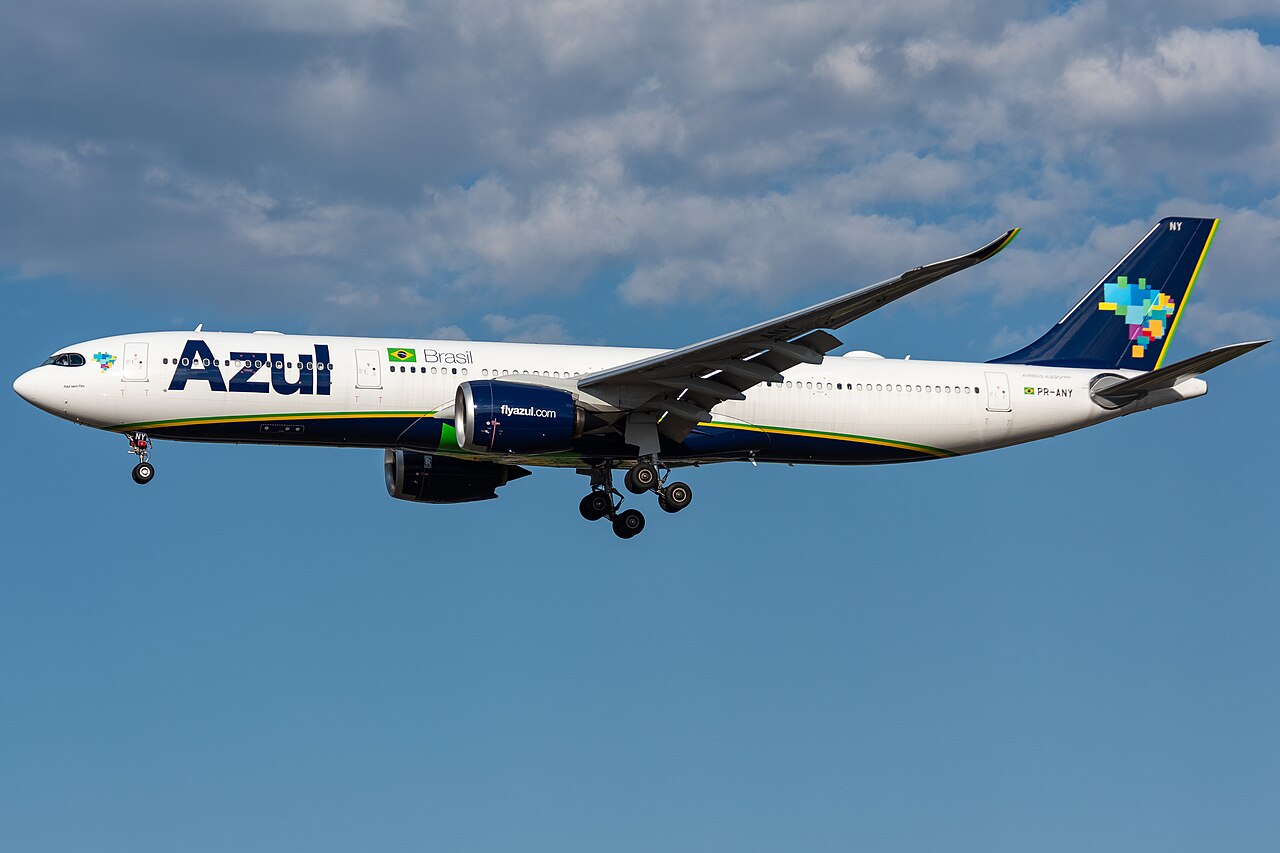
Azul Linhas Aéreas Brasileiras S.A., commonly known as Azul Brazilian Airlines, is one of Brazil's largest and most successful domestic airlines. Founded by David Neeleman (also a co-founder of JetBlue), Azul is renowned for its extensive route network across Brazil, connecting smaller cities to major hubs, and offering a growing number of international destinations. Its business model often focuses on a mix of low-cost and full-service offerings, providing a comprehensive travel experience.
For an airline of Azul's stature, participating in "voos compartilhados" – or what are more commonly known in English as **codeshare agreements** or **interline partnerships** – is a standard practice. While the specific Portuguese phrase "
azul voos compartilhados" might not be a primary marketing term used by the airline itself, the underlying principle of sharing flights to expand reach and offer seamless travel is undoubtedly part of its operational strategy. These partnerships allow airlines to sell seats on flights operated by another carrier under their own flight number, effectively extending their network without having to operate the flights themselves.
Azul Vision: A Different Kind of Clarity
In stark contrast to the airline, "Azul Vision" refers to an ophthalmology practice, primarily based in locations like Los Angeles. Offering services such as LASIK and comprehensive eye care, Azul Vision is entirely unrelated to air travel. The appearance of Azul Vision in search results for "
azul voos compartilhados" is a prime example of keyword ambiguity leading to irrelevant information. It underscores the need for users to filter results and recognize when a search term might be interpreted differently by search engines. If you're encountering similar confusion, our article
Decoding Azul Online: Shared Flights Absent in Provided Text provides additional insights.
The Reality of Shared Flights with Azul Brazilian Airlines
While the exact phrase "
azul voos compartilhados" may not be prominently featured in Azul's direct marketing, the concept it represents – **airline partnerships and codeshare flights** – is fundamental to how global airlines, including Azul, operate. These agreements are vital for expanding an airline's reach, offering passengers more destinations, and providing greater flexibility and convenience.
Understanding Codeshare and Interline Agreements
*
Codeshare Agreements: This is the most common form of "shared flight." Two airlines agree to market and sell seats on each other's flights using their own flight numbers. For instance, you might book a flight with an Azul flight number, but the aircraft is operated by a partner airline. This allows Azul to offer connections to cities it doesn't directly serve, and vice-versa for its partners.
*
Interline Agreements: Less integrated than codeshares, interline agreements allow airlines to issue tickets for flights on other carriers. This means you can book a single itinerary with multiple airlines, and your baggage can often be checked through to your final destination, even if you switch airlines.
*
Loyalty Program Integration: Often, codeshare partners also extend benefits like earning and redeeming frequent flyer miles across their networks, enhancing the value for loyal customers.
For passengers, these partnerships mean:
*
Increased Connectivity: Access to a wider array of destinations, especially those not served directly by Azul.
*
Seamless Travel: Simplified booking processes, often a single ticket for multi-segment journeys involving different airlines, and smoother transfers.
*
Greater Flexibility: More options for flight times and routes, potentially offering better pricing or more convenient schedules.
How to Find Azul's Shared Flight Options
Since "
azul voos compartilhados" might not be the direct term to search for on Azul's website, savvy travelers should look for:
*
Partner Airlines Section: Most airlines have a dedicated section on their website listing their codeshare and interline partners. Check Azul's official site for this information.
*
Booking Engine Details: When booking flights, pay close attention to the "operated by" information. A flight listed under Azul's flight number might explicitly state it's "operated by [Partner Airline Name]."
*
Alliance Memberships: While Azul is not part of a major global airline alliance (like Star Alliance, SkyTeam, or Oneworld), it has forged numerous bilateral partnerships with individual airlines worldwide, which serve a similar purpose. For example, Azul has historically partnered with airlines like United Airlines, TAP Air Portugal, and Copa Airlines to extend its international reach. *Always verify current partnerships directly with Azul.*
Navigating Your Travel Options: Beyond Direct Shared Flight Searches
Even without a direct, universally recognized term like "
azul voos compartilhados" being a marketing staple, understanding the mechanics of airline partnerships empowers travelers to find the best routes and connections.
Maximizing Connectivity and Convenience
*
Research Partner Routes: If you're looking to travel to a destination not directly served by Azul, investigate their partner airlines. You might find a codeshare route that seamlessly connects through an Azul hub.
*
Leverage Loyalty Programs: If you're a member of Azul Fidelidade (Azul's loyalty program), explore opportunities to earn or redeem points on partner flights. This can be a significant benefit of shared flight agreements.
*
Consider the Bigger Picture: When planning complex itineraries, think beyond a single airline. Travel aggregators and online travel agencies (OTAs) often display codeshare options more clearly, showing you which airline operates each leg of your journey.
The Evolving Landscape of Airline Partnerships
The airline industry is dynamic, with partnerships constantly evolving. Airlines form and dissolve agreements based on market conditions, strategic objectives, and competitive landscapes. For a relatively young but rapidly growing airline like Azul, these partnerships are crucial for competing with larger, more established global carriers. They allow Azul to offer a broader spectrum of services, from domestic routes within Brazil to long-haul international connections, without necessarily owning or operating every single aircraft or route. The essence of "voos compartilhados" is about collaboration to better serve the passenger, providing a more robust and interconnected global travel network.
Conclusion
In conclusion, while the specific phrase "
azul voos compartilhados" may not immediately lead to a dedicated page on Azul Brazilian Airlines' website, the concept of shared flights is absolutely central to its operations and those of the broader airline industry. The initial ambiguity in search results, often leading to unrelated entities like Azul Vision, highlights the challenges of specific keyword searches. However, by understanding that "azul voos compartilhados" refers to **codeshare agreements and airline partnerships**, travelers can intelligently navigate Azul's offerings. These strategic alliances provide passengers with greater destination access, smoother connections, and enhanced travel experiences. Always remember to check the "operated by" details during booking to fully understand who is flying you to your destination and how Azul leverages its network to connect you to the world.